
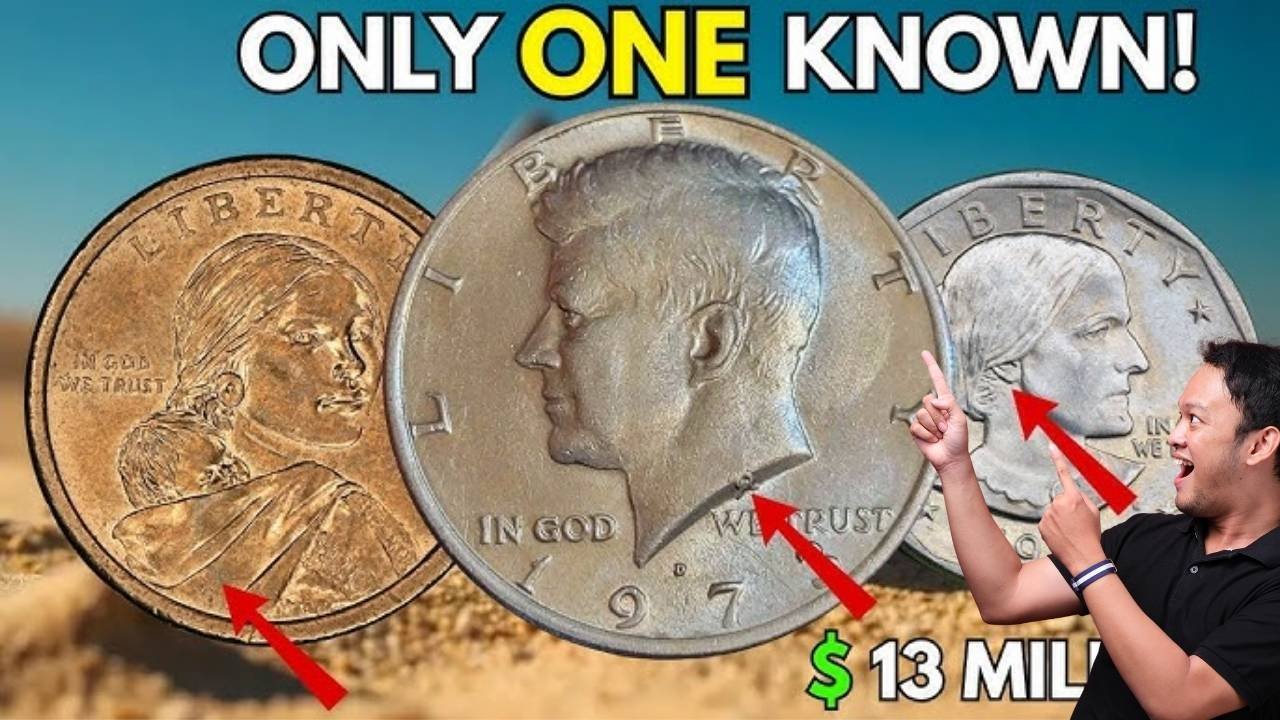
Coins are more than money—they are pieces of history. In the U.S., a few coins have transcended everyday use to become cultural icons, reflecting social change, leadership, and evolving identity. Among them, the Kennedy Half Dollar, Susan B. Anthony Dollar, and Sacagawea Dollar stand out for their lasting impact on generations. Each coin tells a story about the nation’s history and values.
Kennedy Half Dollar – A Nation’s Tribute
First minted in 1964, the Kennedy Half Dollar honored President John F. Kennedy shortly after his assassination. It became a symbol of national grief and admiration. Unlike previous half dollars, many were kept as keepsakes rather than used in circulation, giving the coin both emotional and collector value.
Key Facts About Kennedy Half Dollars
- Obverse features President Kennedy’s portrait.
- Reverse shows the presidential coat of arms.
- Special editions and proof coins remain popular with collectors.
- Still minted today, primarily for collectors.
Susan B. Anthony Dollar – Celebrating Women’s Progress
Introduced in 1979, the Susan B. Anthony (SBA) Dollar was the first circulating U.S. coin to feature a real woman. It honored the suffragist Susan B. Anthony and marked a milestone in recognizing women’s contributions to American history. Despite its historic significance, the coin faced challenges due to its similarity in size and color to the quarter, which limited its circulation.
Highlights of the Susan B. Anthony Dollar
- Obverse features Susan B. Anthony.
- Reverse depicts the Apollo 11 mission insignia.
- Short production run: 1979–1981, with a brief revival in 1999.
- Varieties and proof coins are sought after by collectors.
Sacagawea Dollar – Honoring Indigenous Heritage
Released in 2000, the Sacagawea Dollar replaced the SBA Dollar. Featuring the Shoshone woman who guided the Lewis and Clark expedition, it is easily distinguishable with its golden color. Beyond daily use, the coin symbolizes inclusivity and recognition of Indigenous contributions to American history. It also launched the Native American $1 Coin Program, showcasing different themes each year.
Key Features of the Sacagawea Dollar
- Obverse: Sacagawea carrying her infant son, Jean Baptiste.
- Reverse: Soaring eagle, symbolizing freedom and strength.
- Golden color prevents confusion with quarters.
- Continues legacy with annual Native American-themed designs.
Why These Coins Still Matter
Each coin reflects a significant period in U.S. history:
- Kennedy Half Dollar: Captured national grief and admiration in the 1960s.
- Susan B. Anthony Dollar: Represented recognition of women’s rights.
- Sacagawea Dollar: Celebrates Indigenous contributions and inclusivity.
They remain valuable to collectors and educators alike, serving as teaching tools and historical keepsakes.
FAQs
Q1. Why is the Kennedy Half Dollar still produced?
It is primarily minted for collectors due to its historical and emotional significance.
Q2. Why did the Susan B. Anthony Dollar fail in circulation?
Its size and color were similar to the quarter, causing confusion during transactions.
Q3. What makes the Sacagawea Dollar unique?
Its golden hue and depiction of Sacagawea highlight Native American history and culture.
Q4. Are these coins valuable to collectors?
Standard coins hold modest value, but proof coins, special editions, and mint errors can be highly prized.
Q5. What do these coins symbolize today?
They represent leadership, representation, and inclusivity, continuing to inspire Americans across generations.
Conclusion
The Kennedy Half Dollar, Susan B. Anthony Dollar, and Sacagawea Dollar are more than currency—they are cultural milestones. Each coin captures a generation’s ideals, struggles, and achievements. While their circulation histories differ, their impact endures, making them timeless symbols that continue to educate, inspire, and connect generations of Americans.