
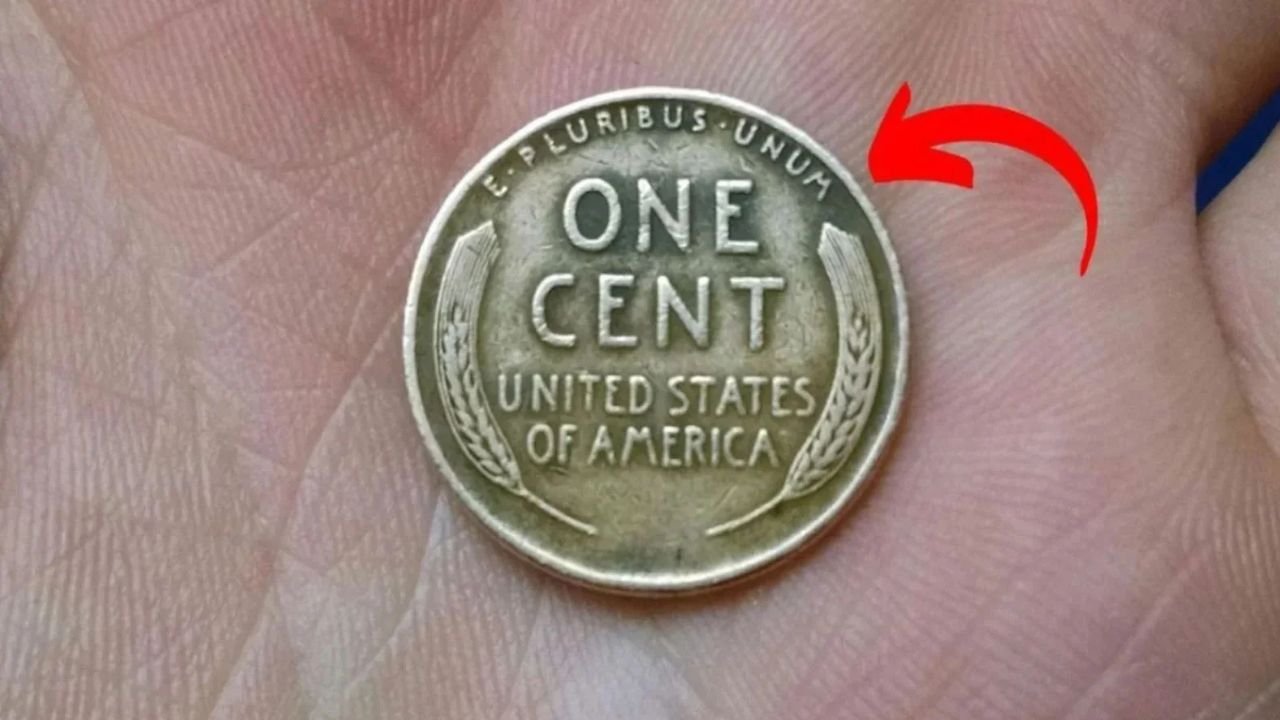
Imagine digging through your spare change and spotting a tiny coin that could change your life. That humble penny might not just be a relic of the past—it could be a Lincoln Wheat Penny worth up to $510,000! While rare, these coins exist, and knowing how to spot one could turn pocket change into a valuable treasure.
What Is a Lincoln Wheat Penny?
The Lincoln Wheat Penny is a classic U.S. one-cent coin minted from 1909 to 1958. Its front features President Abraham Lincoln, while the back shows two stalks of wheat framing the words “One Cent”—hence the nickname. While most pennies are worth only their face value, collectors prize rare or error versions for their historical and monetary value.
Key Facts About the Lincoln Wheat Penny:
- First issued in 1909 to honor Lincoln’s 100th birthday
- Designed by Victor David Brenner
- Features the iconic wheat ears reverse until 1958
- Some versions have rare minting errors worth thousands
Why Are Some Lincoln Wheat Pennies So Valuable?
Certain Lincoln Wheat Pennies are worth a fortune due to scarcity, minting errors, and historical significance. For example:
- 1909-S VDB: Designer’s initials on a low-mintage coin, auctioned for up to $168,000
- 1914-D: Denver mint rarity, fetched $159,000
- 1943 Copper Penny: Wartime error; steel was standard, but a few copper coins exist, selling for $510,000
- 1955 Doubled Die: Letters doubled during minting, reaching $125,000
Even though over 100 billion Wheat Pennies were produced, key dates and errors make certain coins extremely rare and valuable.
How to Spot a Valuable Lincoln Wheat Penny
Finding a rare coin is part luck, part knowledge. Here’s how to check your coins:
- Look at the date and mint mark: Rare years include 1909-S, 1914-D, and 1943 copper
- Check the material: Use a magnet—steel pennies stick, copper pennies don’t
- Inspect for errors: Doubled die letters, wrong metal planchets, or unusual designs
- Professional grading: Send coins to PCGS or NGC to verify authenticity and maximize value
Quick Tips for Collectors
- Handle coins with cotton gloves to avoid damage
- Store in albums or protective holders away from sunlight
- Join numismatic communities like the American Numismatic Association
- Research recent auction prices before selling
Notable Auction Records
| Penny Variety | Key Feature | Auction Price | Notes |
|---|---|---|---|
| 1909-S VDB | Designer initials, low mintage | $168,000 | Highly sought-after |
| 1914-D | Low mintage Denver coin | $159,000 | Early-year rarity |
| 1943 Copper | Wartime copper error | $510,000 | Only ~20 known |
| 1955 Doubled Die | Letters doubled in minting | $125,000 | Dramatic minting error |
| 1944 Steel | Post-war steel error | $75,000 | Rare opposite of 1943 copper |
FAQs
Q1: How do I know if my Wheat Penny is rare?
Check the date, mint mark, and material. Rare coins include 1909-S, 1914-D, and 1943 copper.
Q2: Are most Lincoln Wheat Pennies valuable?
No, most are worth only their face value, but key dates and errors can fetch thousands.
Q3: Where should I sell a rare coin?
Use reputable auction houses like Stack’s Bowers or certified online platforms.
Q4: Can I find rare pennies in circulation today?
Yes, old pennies still circulate. Inspect your change—you might be lucky!
Q5: What increases a coin’s value most?
Condition, rarity, and authenticity grading by professionals.
Conclusion
The Lincoln Wheat Penny is more than just pocket change—it’s a potential treasure with historical significance and monetary value. By checking your coins, learning key dates, and handling them properly, you could uncover a rare gem worth hundreds of thousands of dollars. Start digging through your change today—your next big find might be hiding right in your pocket!