
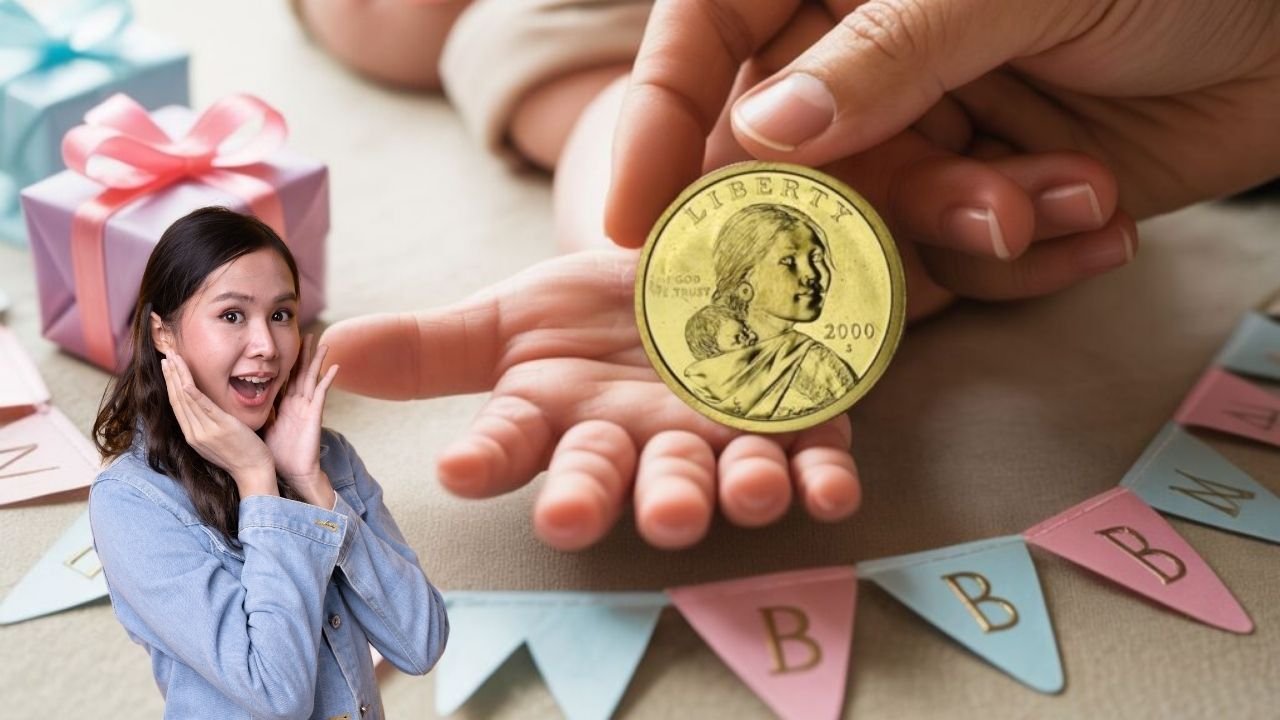
When the Sacagawea dollar first entered circulation in 2000, it was more than just new currency—it was a symbol of history, culture, and a new millennium. Many Americans were intrigued by its golden tone and striking design, and some even gave the coin as gifts to mark special occasions.
One such coin, given to a newborn baby in 2000, has now grown into a treasured family heirloom, showing how a simple gesture can carry meaning across generations.
Why the Sacagawea Dollar Stood Out
The Sacagawea dollar was instantly different from previous U.S. coins. Unlike the Susan B. Anthony dollar, often mistaken for a quarter, this coin had a distinct golden hue and unique imagery:
- Obverse: Sacagawea carrying her infant son, Jean Baptiste, symbolizing resilience and motherhood.
- Reverse: A soaring eagle, representing freedom and strength.
Because of its fresh design and symbolism, the coin quickly became popular as a keepsake, collectible, or family gift rather than just everyday money.
From Baby Gift to Heirloom
The coin gifted to a baby in 2000 was more than a dollar—it was a token of good fortune at the start of a new life. Carefully preserved by the family, the coin gained emotional value as the child grew. Today, it represents both the memory of the giver and the cultural moment when it was introduced. What once seemed like ordinary change has transformed into a rare family heirloom linking generations.
Collectors’ Interest in Early Sacagawea Dollars
While most 2000 Sacagawea dollars remain common, some early versions are highly sought after by collectors:
- 2000 “Cheerios Dollars” – Distributed in cereal boxes with unique eagle tail feather details, now worth thousands of dollars in top condition.
- Proof and special editions – Minted for collectors, often kept in pristine condition.
- High-grade circulated coins – Coins without scratches or wear can carry a premium.
For families, however, the sentimental story behind the coin often matters far more than its market value.
The Cultural Importance of the Sacagawea Dollar
Beyond money, the coin is significant for what it represents. Sacagawea, a Shoshone woman who guided the Lewis and Clark expedition, became the first Native American woman honored on widely circulated U.S. currency. For many, the coin symbolizes perseverance, cultural recognition, and a deeper connection to American history.
What Makes These Coins Special Today
In 2025, Sacagawea dollars are still legal tender but rarely seen in everyday use. Instead, they’re found in collections, safekeeping boxes, or passed down as heirlooms. Their specialness lies not only in their design but also in their personal stories—who gave them, when they were given, and the memories attached.
FAQs
What year was the Sacagawea dollar first released?
The Sacagawea dollar was first issued in the year 2000.
Are 2000 Sacagawea dollars rare?
Most are common, but special varieties like the “Cheerios Dollar” are rare and valuable.
Can Sacagawea dollars still be used as money?
Yes, they remain legal tender, though they are uncommon in circulation.
Why is the Sacagawea dollar historically significant?
It was the first widely circulated U.S. coin honoring a Native American woman, celebrating both history and culture.
How can families preserve coins as heirlooms?
Coins are best kept in protective cases, albums, or safes to prevent damage while their stories are shared across generations.
Conclusion
The story of a Sacagawea dollar gifted to a baby in 2000 reminds us that true value often lies beyond money. While collectors may prize certain editions for rarity, families treasure the memories attached to these coins. What began as a simple dollar has become a lasting symbol of heritage, culture, and connection between generations.